
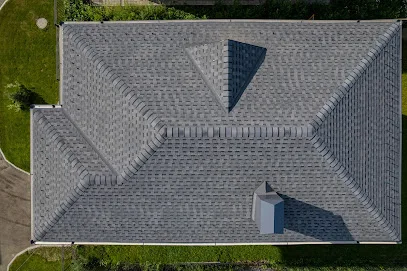
1) What a Boston homeowner should know before an inspection
A roof inspection is most useful when it’s timed early, after wind, hail, or heavy rain but before problems spread into decking and interior drywall. Boston Roofing Co storm-minded inspections around the Boston, MA area so homeowners can understand whether issues are cosmetic, wear-related, or the kind of damage that typically triggers insurance consideration. The goal is to give clear, photo-supported findings and next steps based on what’s actually present on the roof—not guesswork.
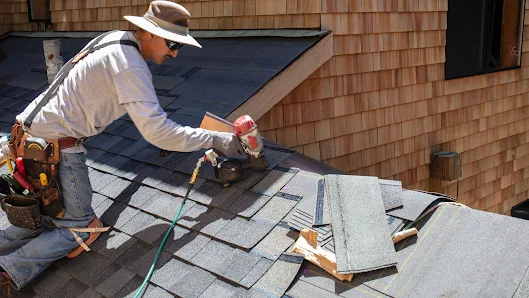
2) How the visit usually starts: information, access, and roof basics
During the initial visit, Boston Roofing Co typically begins with property context. Homeowners can expect the team to confirm roof type and age, review any recent weather events that may have contributed to visible damage, and note areas of concern from the customer’s perspective—such as ceiling spots, shingle lifting, granule loss, or flashing issues around penetrations. Access safety matters in Boston homes, so the walkthrough also covers safe staging, ladder placement, and protection of landscaping and property edges.
From there, the inspection progresses methodically: key vantage points are checked first, followed by closer evaluation of shingles, underlayment seams, penetrations, and flashing details where leaks commonly begin.
3) What the crew looks for on asphalt shingle roofs
In the Northeast, asphalt shingles often show storm damage through impact bruising, granule displacement, and edge lifting. The inspection process is identify damage patterns—so it’s easier to distinguish isolated occurrences from widespread deterioration. Areas such as roof valleys, chimney flashings, pipe boots, and step flashing are especially important because water has multiple entry points even when the roof surface looks “mostly fine.”
Boston Roofing Co also considers how older roofing systems transition at transitions and overlaps. That includes ridge areas and where different roof sections meet. When damage is documented clearly, homeowners have a stronger basis for repair planning and insurance conversations.
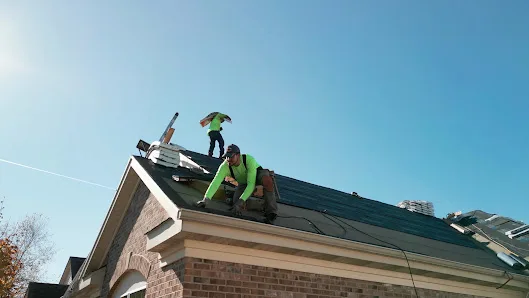
4) How storm documentation repair decisions
Many homeowners wonder what “proof” looks like after hail or high wind. In practice, storm-related findings are about pattern recognition and clarity. Boston Roofing Co aims to identify visible impacts, compare affected areas across roof faces, and highlight components that may have been stressed during the storm—especially flashing and seals around vents and pipe penetrations.
This kind of documentation matters for planning. Even if a roof leak hasn’t appeared yet, storm-damaged areas can deteriorate quickly under freeze-thaw cycles and driving rain.
5) Repair vs. replacement: the factors that typically decide
Roof repair is often appropriate when damage is limited and underlying layers are in good condition. Roof replacement becomes more practical when damage is widespread, when multiple roof components show stress, or when the roof’s age suggests that future deterioration is likely. During the visit, Boston Roofing Co helps homeowners understand the tradeoffs by explaining which areas are impacted and what repair strategy matches the condition of the system as a whole.
Common decision drivers include:
- Extent of shingle damage across roof planes
- Flashing condition at penetrations, valleys, and edges
- Evidence of water intrusion or risk points likely to fail later
- Overall roof age and wear patterns
6) Warranty and workmanship expectations
Homeowners also need to know what coverage looks like after the project. Boston Roofing Co’s focus on workmanship and storm repairs means customers can ask how the roof is installed, how flashing details are handled, and what quality steps are performed to reduce the chances of repeat leaks. A workmanship warranty helps protect the investment by setting expectations for how the contractor stands behind the job after completion.
When comparing options, homeowners can bring up questions such as: what warranty term applies, which parts of the system are included, and what the process is if a problem appears later.
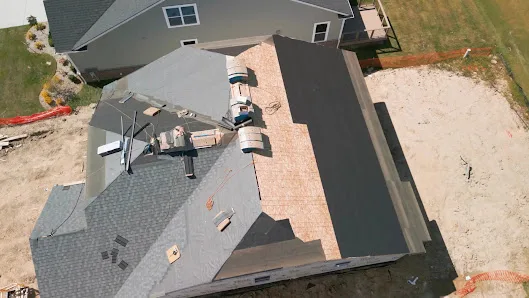
7) A quick Boston homeowner checklist for the next storm season
If a windstorm or heavy rain hits the Boston area, a short checklist homeowners catch issues early:
- Look for missing or displaced shingles and exposed fasteners
- Check valleys, vents, and chimney areas for lifted flashing
- Watch for granule loss in gutters and downspouts
- Inspect for interior signs like ceiling discoloration or damp drywall
Boston Roofing Co is positioned for storm & emergency roof support, so scheduling an inspection soon after weather events can reduce the chance that minor damage turns into a larger repair.
8) How to schedule with Boston Roofing Co
For Boston-area homeowners, the practical next step is to schedule an inspection and discuss repair options based on findings on the roof. Boston Roofing Co serves the Boston, MA area and homeowners plan the next phase—whether that’s targeted repairs, storm-related replacement decisions, or urgent temporary measures if the roof needs immediate stabilization.
For details and to set up an appointment, visit the contractor’s official site or call the office phone number listed on the business page.