
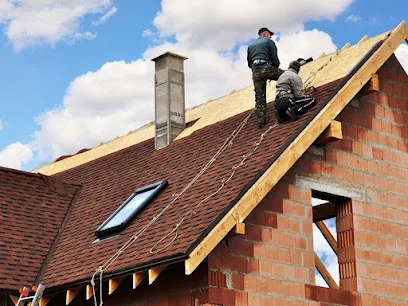
Why NYC roof replacements and repairs need a contractor-specific checklist
Commercial roofs in New York must handle daily freeze-thaw cycles, heavy rain events, and wind-driven weather. A strong contractor evaluation starts before any ladder is set up. Building owners should confirm the contractor’s commercial roofing experience, the roof systems they install, and how they handle documentation for insurance claims. NYC projects also require clear scope definition: how the existing roof assembly will be inspected, what is repaired versus replaced, and how ventilation, flashing, and drainage will be addressed.
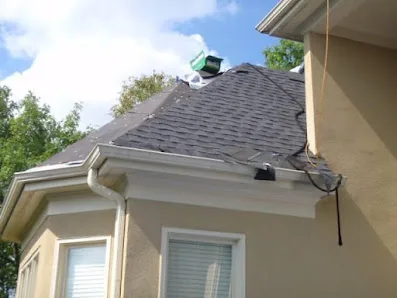
Meet the contractor in the right order: systems, crew, and jobsite controls
When reviewing NYC commercial roofing contractors, ask about the full range of systems they work with and how they manage the jobsite. Roof assemblies are not interchangeable, and small differences in underlayment, insulation, membranes, and fastening patterns can change performance. A practical contractor conversation should cover how crews protect occupied buildings, stage materials, manage debris, and keep water out during repairs—especially after wind or hail damage.
For property managers, clarify communication and scheduling up front: who provides daily updates, how change orders are handled, and how weather windows are monitored. In NYC, even a short delay can affect interior ceilings and stored inventory if roof penetrations are left unsealed.
Questions to ask about materials and roof assembly details
Good commercial roofing contractors explain the “assembly,” not just the top layer. During a walkthrough, building owners should ask what system is being installed and what components are included. Key details to request in the written estimate include:
- Deck and insulation condition: whether damaged decking is repaired and how insulation boards are selected and installed.
- Underlayment and waterproofing layers: what membrane or underlayment is used and how seams are treated.
- Flashing and transitions: how curb flashing, wall flashing, pipe boots, and metal transitions are handled.
- Ventilation and moisture control: how the contractor addresses airflow and condensation risk.
- Drainage and edge systems: how gutters, scuppers, and roof edges are evaluated for clogs and overflow points.
These questions matter because many commercial leaks are caused by flashing failures, poor drainage paths, or compromised penetrations rather than the main field of roofing.
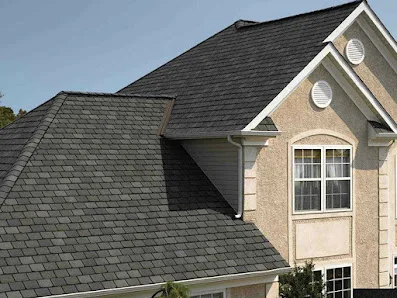
Warranty comparisons: workmanship coverage and what it does not cover
Roof warranties vary widely. NYC commercial owners should separate two concepts: manufacturer warranties and workmanship warranties. Manufacturer coverage typically relates to the roofing material itself, while workmanship coverage addresses installation practices. Ask for the warranty length, what triggers coverage, and how the contractor handles inspection requirements over time.
Also request clarity on maintenance expectations. A strong contractor will explain what periodic checks look like—especially after storms—so that warranty obligations are met. If the project involves complex roof penetrations or rooftop equipment, the contractor should describe how warranty coverage applies to those components.
For many owners, the best outcome is not just a number. It is a warranty document that clearly ties to the installed scope and the actual roof system details in the proposal.
Storm and inspection signals in New York that should trigger faster action
New York weather can reveal problems quickly. Building owners should increase attention after wind events, heavy rain, or rapid temperature swings. Practical warning signs include:
- Interior water stains near ceilings, HVAC housings, or restroom walls.
- Discolored roof surfaces that suggest trapped moisture or compromised drainage.
- Cracked or loose roof flashing around curbs and penetrations.
- Ponding water that persists after storms, indicating drainage or slope issues.
- Visible seam or edge separation where membranes meet metal components.
When these signals appear, faster documentation helps support the repair timeline and—where applicable—insurance discussions. A commercial roofer that works through inspection documentation and insurance claim support can reduce delays after storm damage.
How to prepare for a commercial roofing estimate in NYC
Before the first meeting with a contractor, property owners can speed up accurate quoting by gathering basic building information:
- Roof age and prior repair history
- Recent leak reports and photos of interior staining
- Access details for occupied areas and rooftop equipment
- Any prior roof plans or maintenance records
During the visit, request a clear, written scope that separates repairs from replacement items. If the contractor includes emergency tarping for active leaks, confirm how quickly tarping can be deployed and how long temporary protection is expected to hold.
For owners reviewing NYC commercial roofing contractors, the goal is straightforward: choose a team that can explain the assembly, show practical jobsite controls, document conditions thoroughly, and stand behind the workmanship.