
Commercial roof problems rarely show up as a single leak. By the time water reaches ceilings or interior spaces, multiple layers of the roof system may already be compromised. For property owners in New York, the goal is to hire a contractor who can explain scope and documentation, not just quote a price. Roman Commercial Roofing handles commercial roofing and related building-envelope work, and the practical difference shows up in what gets confirmed before work starts.
The first question to ask: what exactly is being replaced or repaired
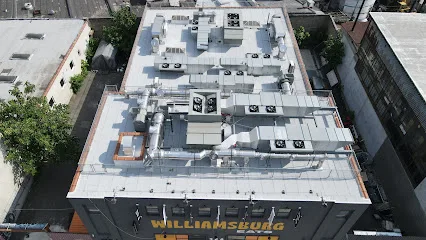
Many roof projects fail expectations because the scope was not defined in a way that matches how roofs actually deteriorate. Roof replacement can mean different things depending on what layers are being removed, what is being inspected, and what is being reinstalled. Owners should ask Roman Commercial Roofing what they will verify on-site before demolition and what stays in place versus what is removed.
Roman Commercial Roofing’s stated service focus includes Roof Installation, Roof Replacement, Siding, and Commercial Roofing. Those categories are helpful, but the owner should still request a written, layer-by-layer scope: deck condition checks, underlayment or membrane coverage, and how penetrations and flashings will be handled.
Start with the signals: 5.0 rating and 161 reviews, but confirm the job matches your property
Roman Commercial Roofing carries a 5.0 score from 161 reviewers. That kind of consistency is a useful starting point for owners comparing contractors. The next step is matching that customer experience to the type of property needing work. A contractor can be great at emergency tarping and still be unclear about full roof replacement documentation.
Use the rating as a shortlisting filter, then ask for examples that are close to your roof type, building age, and current problem (for example: recurring membrane failure around roof edges, repeated flashing leaks, or visible ponding concerns). If the answers become general, the scope discussion is where you should slow down.
Documentation that reduces surprises: what to request before permits or materials
Local providers vary in how they document roof work, and variance shows up months later when follow-up becomes necessary. A good pre-job checklist includes the project timeline, the materials plan, and the inspection points that happen before and after installation. Property owners should request confirmation of what is being installed, how weather exposure will be managed, and which details are inspected at the end.
Before scheduling begins, ask Roman Commercial Roofing whether they provide a written estimate before any work starts and whether they spell out their workmanship warranty terms. For commercial owners, written documentation matters because it supports internal reporting, insurance documentation, and vendor comparisons.
Ask about warranties the way a property manager thinks: time, coverage, and exclusions
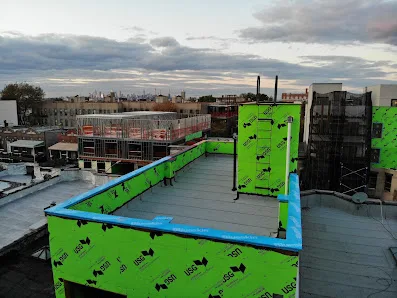
Warranty talk is only useful when it is specific. Owners should ask Roman Commercial Roofing for the workmanship warranty length and what it covers, then compare that to the manufacturer warranty terms tied to the roofing components. The best conversations separate the installer’s responsibilities (labor and installation practices) from the manufacturer’s responsibilities (material defects and system performance based on correct installation).
Even when the contractor is experienced, warranty outcomes depend on details like proper flashing installation, correct membrane overlaps, and consistent workmanship around roof penetrations. That is why the pre-job scope discussion matters—warranty claims require evidence that the system was installed according to the documented plan.
How to handle emergency leaks without turning the project into guesswork
Commercial roofing needs a plan for urgent response. Roman Commercial Roofing’s service signals include Emergency Tarping as part of its typical services approach. When an active leak is present, property owners can reduce secondary damage by acting quickly, but they should also insist that the emergency steps connect to the final replacement plan.
Ask what will be done today to stabilize the roof, and then ask what will be confirmed after stabilization. Emergency work should not replace the inspection process; it should bridge the gap until the full project can proceed with documented scope and materials.
Contact and next steps for property owners in New York, NY
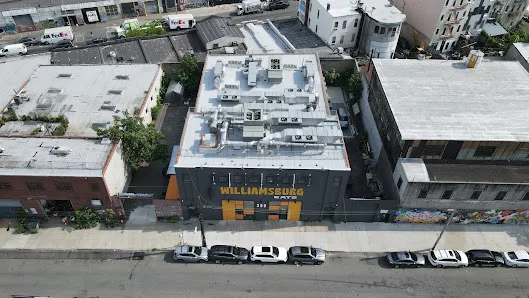
If the roof issue is affecting interior spaces or recurring maintenance costs are rising, contact Roman Commercial Roofing directly to discuss the property’s roof replacement needs. The dispatch line is reachable at (917) 440-1800, and the official website is romancommercialroofing.com.
Owners should enter the call with a short list of questions: what is the exact scope, what layers will be addressed, what documentation will be provided, what the workmanship warranty includes, and what the schedule looks like once materials are confirmed. A contractor that can answer those questions clearly is the one that can execute the replacement without turning the project into a series of guesses.