
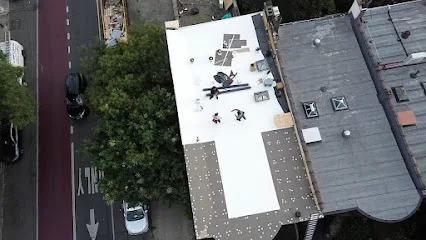
Why flashing details matter in Brooklyn roofing
In Brooklyn, roof problems often start where water is most likely to collect: around roof penetrations, at valley lines, and along edges where flashing and metal components protect the building envelope. A roofing contractor that flashing and shingle-system installation typically treats these areas as the first line of defense. When flashing is improperly sized, poorly sealed, or installed over the wrong underlayment layers, leaks can form behind the shingles and show up as stains, damp sheathing, or ceiling discoloration.
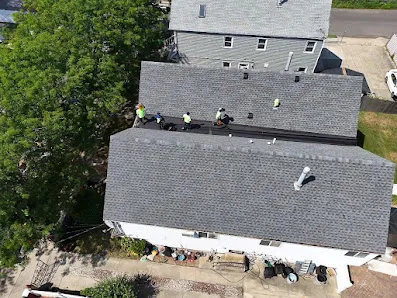
What a visitor/neighbor should expect during the first inspection
A practical roofing inspection usually starts with a visual roof walk and ends with a clear scope of work. Expect the contractor to check the shingles’ condition, look for lift, missing granules, and exposed nail heads, and evaluate the underlayment where visible. Equally important, the crew should confirm ventilation pathways, inspect flashing at walls and chimneys, and review how the roof drains at valleys and lower edges.
If there is an active leak, the contractor may ask the homeowner to note when the problem occurs (wind-driven rain, heavy snow melt, or after temperature swings). Visitors by photographing the interior damage and documenting nearby exterior features such as skylights, vents, or HVAC penetrations.
Typical roof shingle replacement workflow
A full asphalt shingle replacement commonly follows a structured process remove hidden moisture risks rather than simply covering symptoms.
- Initial inspection and estimate: review existing materials, identify flashing/ventilation concerns, and outline the replacement scope.
- Tear-off: remove shingles, worn underlayment, and any deteriorated flashing back to a solid deck.
- Roof deck repair: replace soft or rotted plywood/OSB sections to restore the roof’s flatness and fastener holding power.
- Waterproofing and underlayment: install protective layers in vulnerable zones (such as eaves and valleys) and synthetic underlayment across the deck.
- Flashing and shingle installation: reinstall pipe boots, step flashing where applicable, and properly integrate the shingle course lines so water sheds downward.
- Cleanup and final verification: confirm fastener patterns, seal points, drainage flow, and leave the jobsite swept and organized.
Materials and details to ask about for long-lasting performance
Even when two roofs use asphalt shingles, differences in underlayment layers, leak barriers, and flashing integration can change how long the system stays dry. When talking with a contractor, homeowners should ask what protective system is being used in valleys, around penetrations, and along the eaves. It is also reasonable to ask how ventilation is handled, since poor airflow can increase ice-dam or condensation risk and accelerate shingle aging.
Brooklyn properties also benefit from careful attention to sealing transitions—especially at chimney transitions, sidewall intersections, and any area where metal meets roofing felt or synthetic underlayment.
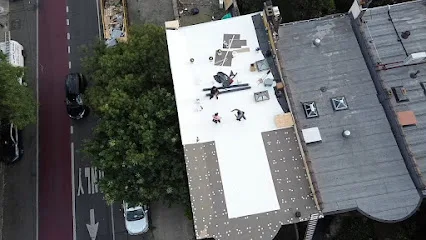
Warranty and insurance-claim support: what to verify
Homeowners should not treat warranty language as a single number. A strong roofing provider should be able to explain workmanship coverage expectations and what the manufacturer warranty covers based on installation standards. If the roof issue relates to storm damage, visitors and homeowners can speed up the process by preparing a short photo set: roof-wide views, close-ups of suspected flashing areas, and interior stain photos with dates.
When a property is involved in an insurance claim, clarity matters. Ask how documentation is handled, whether the contractor provides written inspection notes, and how they assist with the sequence of roof repair decisions.
Storm and water signals to document around Brooklyn
In Brooklyn, water intrusion may worsen after wind events, heavy rain, or snow melt. Visitors the homeowner note patterns such as drip lines after storms, damp drywall near exterior walls, or bubbling paint on ceilings. Exterior photos should include the area around vents, skylights, and any chimney or wall transitions, since these locations often reveal whether flashing is failing or whether the underlayment has been compromised.
For recurring leaks, look for signs of wicking—staining that appears larger than the original penetration. That mismatch often points to water traveling under the shingle surface, which makes flashing and underlayment integration the key repair focus.
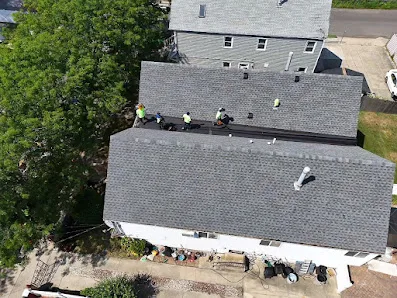
Quick checklist for a productive roof visit
- Record when the issue happens (wind-driven rain, snow melt, seasonal temperature swings).
- Take interior photos of the stain or moisture area with a clear date reference.
- Capture exterior close-ups at penetrations: vents, pipe boots, skylights, chimneys.
- Ask what the project includes: tear-off scope, deck repair approach, and underlayment/waterproofing system.
- Confirm warranty coverage details and how workmanship is documented for future claims.
For homeowners seeking a flashing-focused shingle replacement process, the goal is simple: install the protective layers in the correct order so water sheds off the roof instead of migrating underneath shingles.