
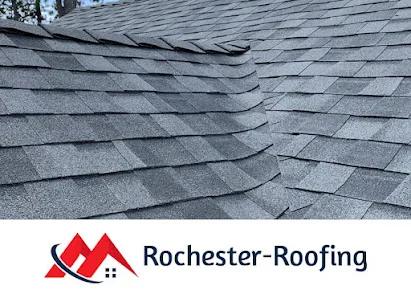
Why homeowners in Rochester need a “system” approach to roofing
Roof replacement is more than swapping shingles. In Rochester, roofs face seasonal freeze-thaw cycles, heavy rain periods, and temperature swings that stress flashing details, underlayment performance, and ventilation. Rochester Roofing identifying the root cause—whether the issue is weathering, improper installation, failed seals, or storm damage—then building a complete replacement plan around the full roof system, not just the visible surface.
What to expect during the first visit and how to prepare
Most successful roof projects start before the crew arrives. Homeowners can speed up the inspection by noting when problems began, photographing visible damage (from safe angles), and keeping previous roofing paperwork—especially if there was an earlier replacement, patch, or warranty claim. Rochester Roofing typically reviews the roof’s age, storm indicators, and the condition of critical components such as flashing at penetrations and edges.
If the request is tied to storm damage, homeowners should also be ready to share any claim or adjuster documentation they already have. Clear details help Rochester Roofing evaluate whether the observed damage aligns with the coverage category and whether additional evidence is needed.
Roof types commonly installed by Rochester Roofing
This contractor handles residential roofing solutions designed for local climate and long-term performance. Depending on the home’s needs and existing roof structure, homeowners may discuss asphalt shingle replacement or other systems suited to the property.
During planning, the contractor’s goal is to match the roof type and build-up to the house’s layout, existing ventilation strategy, and water-shedding path. That includes confirming drip edges, validating underlayment coverage, and ensuring that roof penetrations are flashed correctly for the Rochester area’s wet-season demands.
Insurance-claim assistance: what homeowners should ask for
Rochester Roofing can support homeowners working through the insurance process. Before or during the claim, it helps to ask how the inspection documentation will be organized and what specific items will be captured—such as damaged areas, affected roof sections, and supporting observations that relate to storm-related wear. A consistent documentation approach can reduce confusion when an adjuster needs clarity on scope.
Homeowners should also confirm the expected workflow: what happens after the estimate, how the contractor communicates findings, and how replacement decisions are tied to verified roof conditions. If emergency tarping is needed while the claim is in progress, ask how quickly coverage can be stabilized to protect the interior.
Warranty and workmanship expectations (how to compare quotes)
Not all warranties are equal. A homeowner’s best comparison tool is understanding what is covered and for how long—especially workmanship coverage, which affects how future issues are handled. Rochester Roofing’s replacement planning is typically paired with workmanship warranty expectations, and homeowners should request clear terms before work begins.
In addition, homeowners should ask whether the estimate includes details like flashing replacement, ventilation review, and deck condition assessment. Those items often determine whether a roof performs well over the next several winters and rainy seasons.
Storm signals to look for in Rochester, NY
After wind, hail, or prolonged rainfall, homeowners should look for practical indicators that may not be obvious from the ground. Granule loss patterns on shingles, curled or lifted edges, visible dents or cracked components, and deterioration around roof penetrations are common clues. Even when the damage appears localized, water intrusion can travel under materials, so Rochester Roofing recommends a full roof-system inspection rather than isolated spot fixes.
For homes with active leaks or exposed areas, emergency tarping may be required to reduce interior damage while the project is scheduled.
Getting started with Rochester Roofing
Homeowners in Rochester can get the process moving by scheduling an inspection and being clear about the issue type—aging, leak, or storm-related damage. Rochester Roofing is positioned to handle residential roofing needs and walk homeowners through estimate preparation, insurance-claim support, and replacement planning built around the full roof system.
For the best results, gather basic home details (roof age, any past repairs, and the timeline of symptoms), then ask for documentation that explains the condition and recommended scope.
Service reminder: Rochester Roofing lists online estimates and onsite services for residential roof projects, including situations that may require emergency tarp protection.