
Welcome to Mann Roofing and Remodeling in Buffalo
Mann Roofing and Remodeling is a residential roofing contractor based in Buffalo, New York. With service coverage that includes North Tonawanda, Amherst, Cheektowaga, and Tonawanda, the team repairs that stop leaks, as well as replacements when shingles and underlayment have reached the end of their useful life. For homeowners dealing with storm fallout—such as wind-driven damage or ice-related failures—the goal is a clear, step-by-step plan based on what the roof shows during the inspection.
What to do before the appointment
When planning a visit for roof repair or replacement, a few prep steps can make the inspection more efficient. Homeowners should note when damage was first noticed, take clear photos from the ground and from any safe vantage points, and list visible symptoms such as missing or curled shingles, stains on the ceiling, or daylight around vents. If the roof is affected after hail, high winds, heavy snow, or ice dams, it helps to reference the approximate storm date.
In Buffalo-area weather, ice and melting cycles can push water under shingles and into seams. Wind can also lift corners, break sealant bonds, or expose the underlayment. Bringing a short timeline and photo set allows the contractor to prioritize areas that are most likely to fail again during the next freeze-thaw cycle.
How the inspection is typically structured
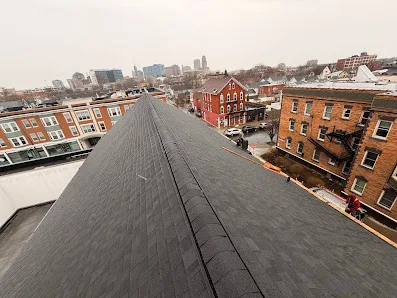
A thorough inspection usually covers the roof surface, flashing details, penetration points, ventilation, and the condition of shingles and underlayment. For homes with recurring leaks, the visit should include attention to common trouble areas: ridge lines, valleys, roof-to-wall transitions, pipe and vent boots, and where different roof elevations meet. The inspector also checks for fastener patterns and sealant performance—because even minor lift can turn into larger failures during wind seasons.
For skylights, the contractor evaluates sealing and installation integrity. Skylight leaks often show up as staining or dampness near the frame, but the water path may travel along framing or underlayment before reaching the interior. Identifying the entry point is key to selecting repair versus replacement.
Repair options: when patching is enough
Not every damaged roof needs a full replacement. When the roof deck and underlayment are still in good condition, targeted shingle repair, flashing correction, and sealed penetrations can restore weather protection. The contractor typically explains what is being repaired, what will be left intact, and why the approach fits the roof’s condition.
Homeowners should also ask how the repair addresses the likely cause. For example, if wind lifted shingles at roof edges, the repair should include restoring proper alignment and verifying that vulnerable areas are secured to reduce repeat failure. If ice-related issues are involved, the conversation should extend beyond a single shingle section to the factors that influence meltwater and ventilation performance.
Replacement planning: deciding when a full roof is the right move
Roof replacement becomes the practical choice when shingles, underlayment, and sealing components show widespread deterioration or when damage patterns suggest future failures are likely. During the visit, the contractor evaluates the overall surface condition and identifies whether localized repairs would only postpone the inevitable.
A replacement plan should cover more than the shingle layer. It should also outline underlayment approach, flashing upgrades, and how roof penetrations and ventilation will be handled. For Buffalo homes, that planning matters because snow loads, ice dams, and seasonal freeze-thaw cycles stress roofs differently than milder climates.
Skylight installation and leak prevention
Skylights are popular for natural light, but they require careful sealing and installation. In a professional roofing visit, skylight work is handled as part of the roof system rather than as an isolated accessory. That means the contractor coordinates the surrounding flashing and water-shedding details so rain and meltwater are directed away from the frame.
If a skylight is already leaking, the inspection should trace how water travels during storms. A repair that only addresses interior staining may miss the real entry point at the flashing or sealant lines. For new installs, the focus is correct placement, compatible materials, and weather-tight integration with the surrounding roofing.
Storm timing and document-ready questions
If the visit follows a storm, homeowners can get better clarity by asking specific questions during the inspection. Useful questions include:
- Which roof sections show the clearest wind or weather impact?
- Is the damage localized, or does it suggest a broader underlayment issue?
- What should be repaired now to prevent the next leak cycle?
- Does the roof show signs consistent with ice-dam or melting-related water intrusion?
- If a skylight is involved, where does the water appear to enter?
These questions support a practical decision: whether to proceed with repair, plan a replacement, or schedule emergency tarping if immediate protection is needed. In Buffalo winters, delaying weatherproofing can increase interior water exposure.
Finishing the job: cleanup, communication, and follow-through
A solid roofing experience doesn’t end at installation. Homeowners should expect clear communication about the scope of work, what materials are used, and how the contractor protects the property during the project. Cleanup matters, especially after shingle replacement, because leftover debris can attract pests and clog gutters.
Before and after work is completed, the contractor should be able to describe what was corrected and what to monitor. If the home is part of an active insurance claim, it also helps to discuss the documentation needed so the repair plan aligns with the available coverage. The objective is to leave the roof secure and the homeowner confident about how the system will perform through the next storm season.
Service area and next steps for Buffalo homeowners
Mann Roofing and Remodeling serves residential roofing needs across Buffalo, North Tonawanda, Amherst, Cheektowaga, and Tonawanda, with the office located at 237 Pratt St in Buffalo. For homeowners who want a roof evaluation that matches real conditions—rather than a generic repair recommendation—the visit starts with careful observation and ends with a plan that fits the damage severity.
For storm-related concerns, ice and snow damage, or skylight troubleshooting, documenting the problem and scheduling an inspection can reduce the chance of small failures becoming active leaks. Mann Roofing and Remodeling practical roofing solutions hold up in Buffalo’s changing weather.