
Roof ON - NYC Roofing & Construction Experts operates in Brooklyn and lists its focus on residential and commercial roofing plus roof inspection and maintenance. The company also publishes contact details for call-and-text at (929) 720-4223 and provides a main office address at 530 83rd St, Brooklyn, NY 11209. With a 4.9 rating from 37 reviewers, the most reliable way to get value from the first inspection is to arrive with property-specific details that let the contractor separate a quick repair from a larger system fix.
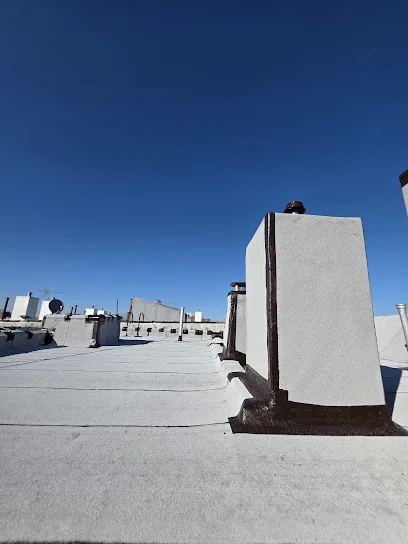
Start with the visible signals, not the leak description
When a homeowner calls about water intrusion, it helps to describe what the roof is doing, not just where the homeowner sees the moisture. On Brooklyn properties, that usually means noting the pattern of staining or damp drywall and when it appears relative to storms, wind, or thaw/refreeze cycles. If the issue shows up after heavy rain, note whether it concentrates near roof penetrations (vents, skylights, hatches) or along edges where flashing and gutters tie in.
For roofers, those “where + when” clues guide what they prioritize during the walkthrough: surface inspection, penetration sealing, flashing verification, and drainage checks. Roofing problems in the city often escalate when the initial cause is misdiagnosed, so the inspection call should begin with the property’s observed pattern.
Bring a one-page timeline and a roof-type summary
Contractors quote and schedule faster when the basics are already organized. Create a short note with the roof type and the date of any recent work: shingle roof repair or installation history, any flat roof changes, and whether skylights or roof hatches are present. Roof ON - NYC lists services that include shingle roof repair & installation, flat roof installation & repair, skylight and hatch installation, terrace roofing, and gutters and metals. That means the inspection should be aligned to the roof system that actually exists on the property.
Include dates for noticeable changes: first ceiling stain, first granule loss observation (if applicable), visible sagging, or any newly discovered cracking around seams. If there was a storm event immediately beforehand, record the approximate date so the contractor can correlate it with likely roof stress.
Document access constraints before the technician is dispatched
Roof access affects scope and safety. Before scheduling, note whether the property has limited ladder access, steep pitches, roof-level obstacles, or anything that could slow down the work area. If the roof includes a terrace or rooftop deck, also note whether the surface covers the drainage path or conceals roof components below.
This is especially important for commercial roofing and larger residential rooflines where movement restrictions can change how quickly the crew can verify seams, penetrations, and water flow paths.
Ask how the inspection output will be used
During the call, request clarification on what the inspection will produce and how it will translate into next steps. A helpful structure is: what was found, what is recommended (repair vs. replacement vs. maintenance), and what evidence supports each item. For homeowners who are deciding between patching and system changes, the inspection output should also address whether the identified issues appear localized or systemic.
Roof ON - NYC emphasizes roof inspection and maintenance on its website, and it also references “certified contractors” and “premium-grade materials.” The practical follow-up is to ask what materials and installation details the technician will reference during the estimate, and whether photos from the walkthrough will be included so the homeowner can review them before approving work.
Insurance-claim readiness: confirm what documentation is needed
If the roof issue could become part of an insurance conversation, ask the contractor how they handle storm-damage documentation. A strong inspection often includes a clear description of the suspected cause and the affected areas, which can reduce back-and-forth when an adjuster requests details. Even when the claim is not guaranteed, homeowners can still make the inspection more defensible by providing a complete timeline and clear roof photos.
As part of this prep, keep copies of any prior roofing invoices, past repair descriptions, and the approximate dates when symptoms began. Those items help the contractor distinguish between new damage and older wear.
Use the first call to align on scope, warranty, and scheduling
Roof ON - NYC publishes that it includes a 25+ years warranty and lists multiple roofing categories such as terrace roofing, waterproofing, skylights & hatches, and commercial roofing. The inspection call should translate those broad categories into a specific scope for the site being evaluated: which surfaces, seams, penetrations, drainage components, and flashing areas will be addressed.
Finally, confirm timing expectations and what the homeowner must prepare on-site for the crew—access, work-area clearance, and any decisions needed for replacement versus repair. A focused inspection call with the right documentation typically leads to fewer misunderstandings later, because the estimate is built from the property’s real conditions instead of just the reported symptoms.