
Why Queens homeowners should plan roof inspections carefully
Queens homes face a mix of seasonal stresses: winter freeze-thaw cycles, spring rains, summer thunderstorms, and high-wind events. A thorough roof inspection helps identify issues early, such as lifting shingles, compromised underlayment, flashing failures around vents and chimneys, and worn areas that may not be obvious from the street. A&E Queens Roofers residential roof replacement work, so homeowners can use an initial visit to set clear expectations for measurements, documentation, and the scope of repairs or replacement.
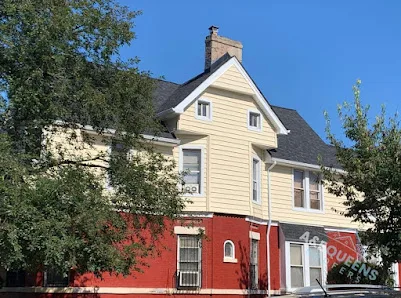
What to bring (and what to ask) before the crew arrives
Preparing for a roof visit can improve both speed and accuracy. Homeowners typically get the best results by confirming the address details, sharing any prior roof work dates, and noting symptoms such as leaks, ceiling staining, missing granules, or visible sagging. During the visit, ask where the crew will inspect from ground level versus where they will need access to walk the roof. Clarify whether the visit will include attic checks for daylight leaks, water staining, or ventilation problems, since those findings often affect ventilation and underlayment decisions.
For Queens properties, a good walkthrough also includes photos or documentation of nearby roof penetrations (pipes, vents, skylights) and of the roof edges where wind-driven water commonly penetrates. If insurance may be involved, homeowners should ask what information the contractor can provide for claim documentation, including a clear description of observed damage patterns.
How A&E Queens Roofers typically evaluates a residential roof
Residential roof replacement work requires a consistent approach: identifying the full damage area, verifying the condition of the deck and underlayment, and confirming that flashing details will match the roof’s geometry. An inspection generally covers the roof surface for lifted or missing shingles, signs of granule loss, and any blistering or age-related wear. The evaluation should also focus on flashings around penetrations and transitions, since these areas often fail before the field shingles look significantly worse.
For homeowners, the key output of the visit is clarity: what is being replaced, why it needs replacement, and what materials and installation steps will be used to restore a watertight system. If the roof shows mixed wear, the visit should explain whether spot repairs make sense or whether replacement better protects the home over the remaining service life.
Roof types commonly seen in Queens—and what to watch for
Queens roofs most often include asphalt shingle systems on residential structures. Even when shingle surfaces look intact, water can infiltrate at weak points like ridge caps, valleys, vent boots, and wall step flashing. After storms, homeowners may see localized dark patches, scuffing, or displaced granules that correlate with impacted areas below. In older roofs, ventilation and insulation can also affect moisture behavior, increasing the risk of condensation that contributes to premature deterioration.
When visiting the property, A&E Queens Roofers homeowners understand the difference between cosmetic issues and underlying failures. That distinction matters during planning because repairs that address the surface but ignore underlayment or flashing details can lead to repeating leaks and increased replacement costs later.
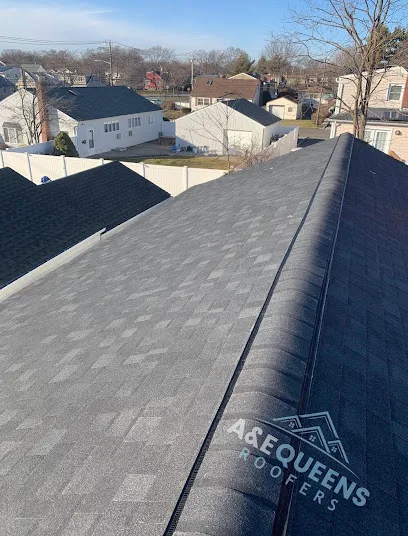
Timeline, logistics, and cleanup: what homeowners should expect
Roof replacement projects are not only about materials—they are also about jobsite safety and daily workflow. Homeowners in Queens should expect the contractor to address access logistics (including ladder and work-zone setup), confirm delivery scheduling, and explain how the team will protect surrounding landscaping and exterior surfaces. A careful contractor also plans for weather contingencies, since sudden rain can affect how quickly materials are installed and sealed.
Cleanup is another practical factor. A&E Queens Roofers’ customer feedback emphasizes thorough cleanup after replacement work, which is important in densely occupied areas. Homeowners can ask how the crew handles nail pickup and debris removal at the end of each workday, especially if children or pets are in the yard.
Warranty and insurance-claim support: how to compare options
When discussing replacement, ask about workmanship warranty coverage and any steps the contractor takes to document the install process. Warranty specifics should include what is covered (installation-related failures) and what conditions may apply. If insurance is involved, homeowners should request guidance on what photos or descriptions are most useful, as well as how the contractor’s written assessment supports the claim.
Because roof claims depend on timing and documentation, it is helpful to schedule the visit promptly after suspected storm damage. A well-prepared inspection can reduce back-and-forth during the claim process and help homeowners understand what repairs or replacement are being requested.
Queens-specific inspection signals homeowners can check between visits
Homeowners can perform simple checks after storms or during seasonal transitions. Look for loose or missing shingles, damaged vent covers, elevated edges near ridges, and recurring stains around ceilings or upper walls. Check attic lighting patterns during daylight (if safe access is possible), since small daylight paths often point to water intrusion routes. Also note whether gutters are carrying debris away from roof valleys and whether downspouts drain properly away from the foundation.
These signals do not replace a professional roof replacement inspection, but they help homeowners describe symptoms accurately during the next visit with A&E Queens Roofers.
Bottom line for visitors: clarity, documentation, and a complete roofing system
A&E Queens Roofers serves Queens, NY with residential roof replacement work and support for homeowners navigating inspection questions and storm-related concerns. For visitors and property owners, the most valuable part of the first visit is a clear, documented scope that addresses not only the visible surface but also the flashings, underlayment decisions, and water-exit pathways that keep a roof performing season after season.