
Why a roof “visit” is really an inspection plan in Queens
In Queens, roof problems often start during sharp rain events, coastal wind exposure, or freeze-thaw cycles. When water gets into the roof deck, it can show up as ceiling staining, dripping at vents, or wet insulation long after the initial storm. Royal Roofing Queens approaches each homeowner call as a structured inspection: assess visible damage first, confirm the water pathway second, and then match the repair method to the roof system being used (metal, asphalt shingles, tile, or flat roof components).
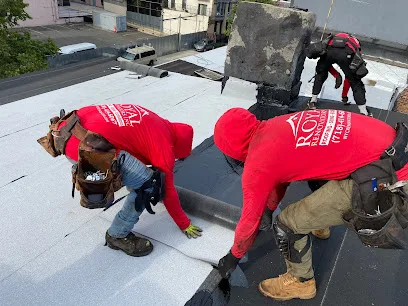
Before the crew arrives: what homeowners should document
Most delays come from missing evidence rather than from the repair itself. Before the inspection, homeowners can collect a few details that help clarify scope and improve insurance or maintenance discussions:
- Photos of the interior damage (stains, bubbling paint, wet drywall) and the surrounding ceiling vents or light fixtures.
- Photos of exterior roof areas from multiple angles: roof edges, flashing around chimneys/vents, and any areas with lifted or missing materials.
- Notes on timing: when the storm happened, when the leak first appeared, and whether the problem changed after rain or wind.
- Any past roof work details: approximate installation date, prior repairs, and whether metal flashing, skylights, or gutter replacements were ever performed.
Royal Roofing Queens uses this information to focus the inspection and to explain repair options in a homeowner-friendly way.
What the inspection typically covers on metal, shingle, and flat roof sections
A practical roof inspection is a mix of visual review and “systems” thinking. Expect the team to examine both the roof surface and the components that create watertight connections:
- Flashing and penetrations: roof vents, skylights, chimney interfaces, and any capped or sealed penetrations.
- Edge and transition points: where the roof meets fascia, parapets, or sidewalls.
- Underlayment condition: how water could travel beneath top layers (especially after wind-driven rain).
- Drainage and flow: gutters, downspouts, and drainage paths that control where water goes during storms.
- Flat roof leak repair workflow: evaluating membrane/roofing sections and the surrounding drainage details.
Royal Roofing Queens works across roof types, including metal roofing and flat roof systems, and pairs the findings with repair methods restore durable water control.
Common Queens homeowner questions to ask during your roof visit
When scheduling or walking the roof, these questions usually lead to better decisions:
- What is the likely leak source, and where does water travel from there?
- Is the repair a localized fix (flashings/penetrations) or does it require broader replacement?
- What materials will be used (for example, matching metal components, asphalt shingle details, or flat roof assemblies)?
- What is the expected timeline for emergency stabilization if interior water is present?
- How is workmanship quality ensured, and what warranty terms apply to the installed work?
- If insurance is involved, what documentation will support the claim discussion?
Royal Roofing Queens is positioned to help homeowners navigate the process—from inspection through repair planning—especially when storm and wind damage is part of the story.
How roof repairs are commonly structured: stabilization, repair, and cleanup
After the inspection, roof work often follows a straightforward sequence:
- Stabilization (when needed): temporary emergency tarping to reduce active water intrusion.
- Targeted repair: addressing the verified source area—often flashing, ventilation sealing, gutter-to-roof transitions, or skylight-related waterproofing.
- Restoration and inspection: confirming adjacent areas are sealed properly and that drainage paths are functioning as intended.
- Final documentation: a clear explanation of what was found, what was repaired, and what homeowners should watch for afterward.
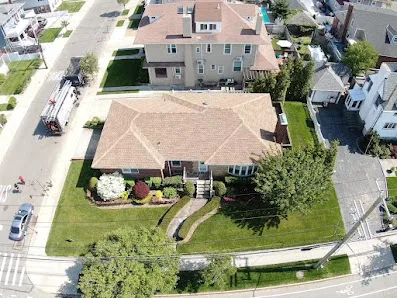
Weather-driven warning signs homeowners should not ignore
Some roof issues look minor at first but tend to worsen with repeated storms. In Queens, homeowners should take action when they notice:
- Loose or missing shingles, especially near roof edges and high-wind zones.
- Dark streaks or lifted roofing around vents, pipes, and skylights.
- Water staining that reappears after rain even after surface cleaning.
- Gutter overflow or pooling at downspouts that increases roof-edge saturation.
- Any signs of wind-driven debris impact.
Prompt evaluation reduces the chance of secondary damage to interior finishes and ceiling areas.
Warranty, workmanship expectations, and what “done right” means
Even strong roof materials can fail if installation details are missed. Royal Roofing Queens emphasizes workmanship standards that support long-term durability, with an emphasis on waterproofing connections and drainage control. Homeowners should confirm:
- Workmanship warranty terms (duration and what is covered).
- Whether the repair scope includes associated components (for example, adjacent gutter repairs or affected flashing).
- Maintenance or monitoring recommendations tailored to the repaired roof section.
For owners planning future upgrades, the same inspection process can also support decisions about skylight installation or replacement, gutter installation and repairs, and roof system upgrades.
Choose a roofing “visitor guide” mindset: inspection first, repair plan second
A good roof visit isn’t just a look at the exterior. It is a homeowner-centered inspection plan that ties visible damage to the roof system underneath and then outlines repair pathways—whether the project involves metal roofing, asphalt shingle replacement, tile-related work, or flat roof leak repair. With Royal Roofing Queens, the goal is straightforward: identify the cause, stabilize if water is active, and complete repairs with attention to waterproofing details that protect the home through Queens weather.
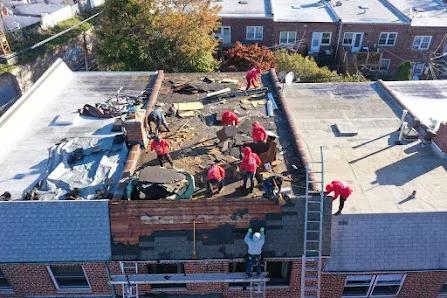
Note for homeowners: If leaks are active, prioritize interior protection and ask about emergency stabilization. The earlier the roof is stabilized, the more options remain for repair and claim documentation.