
Where Power Roofing & Siding Brooklyn Fits for Homeowners
Brooklyn homes face a mix of winter freeze-thaw conditions, summer wind events, and frequent rain-driven wear on asphalt shingle roofs, metal components, and siding systems. Power Roofing & Siding Brooklyn supports residents with roof inspections, storm-related repairs, and siding work reduce the chance of recurring leaks. The location at 645 Warren St makes it a practical local option for homeowners who want a structured inspection process rather than an improvised repair.
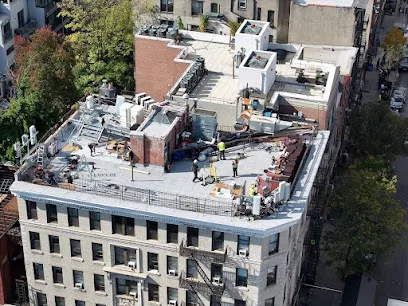
What Happens During a Roof Inspection
A useful inspection is more than a quick glance at the shingle surface. The crew typically checks the roofline for visible damage, then evaluates components that usually fail first: flashing at penetrations, edge details, and areas where water can find pathways into the building. For spring after a winter storm cycle, this includes looking for missing or loose shingles, granule loss that indicates aging asphalt, and signs of moisture migration.
Homeowners can expect attention to common problem zones such as chimneys, vent stacks, and transitions around roof edges. If the roof has an attic access point, the team also looks for active leaks or water staining that suggests the leak source may be upstream of the stain location inside the home.
Spring Checklist: What to Look For in Brooklyn After Winter
As temperatures stabilize, homeowners often discover the “late” effects of winter wind, ice, and drifting snow. A practical spring checklist helps identify issues early:
- Loose or missing shingles: High winds can lift edges and expose underlayment pathways.
- Flashing condition at vents and chimneys: Flashing issues are a frequent cause of slow leaks.
- Granule loss: Missing granules reduce asphalt coverage and accelerate roof aging.
- Gutter and downspout flow: Clogs can cause overflow that stains siding and fascia.
- Attic leaks or water stains: Early detection helps prevent hidden damage.
This is also the point where homeowners can ask for repair options that balance immediate safety needs with longer-term roof lifespan.
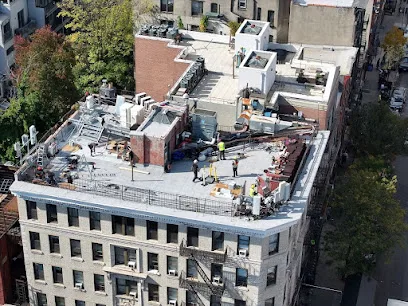
Storm Damage Signals: When Repairs Shouldn’t Wait
After hail, gust fronts, or heavy wind-driven rain, small roof surface changes can lead to ongoing interior moisture problems. Homeowners should treat these as “inspection triggers”:
- New ceiling spots or damp insulation after a storm
- Visible lifting at shingle edges or damaged roof seams
- Water pooling patterns near roof edges or valleys
- Increased staining on ceilings, bathrooms, or upper hallways
Power Roofing & Siding Brooklyn’s storm-focused service approach emphasizes getting the inspection right first, so repairs address the source of the leak rather than only the visible symptom.
How Insurance-Claim Support Works
Storm repairs in Brooklyn often involve insurance documentation, measurements, and evidence gathering. A contractor that homeowners organize the process typically saves time and reduces confusion. During claim support, the goal is to align findings with the documentation needed for review. This can include clarifying what was observed during the inspection, identifying areas impacted by storm conditions, and helping prepare the information homeowners need to communicate with their carrier.
For many homeowners, the practical value is not just “paperwork,” but a clearer understanding of how roof damage assessment connects to repair scope.
Warranty and Workmanship: What to Ask Before Scheduling
Repair quality matters because roofs are systems, not just individual shingles. Before approving a repair plan, homeowners should ask how workmanship is covered and what steps will be taken to protect surrounding areas during construction. The team’s workmanship-warranty emphasis means homeowners should expect a defined standard for how materials are installed and how the crew addresses roof details that commonly fail over time.
Because roof issues can be cumulative, it is also reasonable to request a repair strategy that considers near-term safety (stopping leaks) and longer-term performance (preventing repeat water entry).
Preparing Your Home for the Crew
To reduce delays, homeowners can prepare a few basics before the inspection or repair visit:
- Clear attic access if it is safe to do so
- Provide notes on recent storms, dates, and any interior leaks noticed
- Confirm any concerns with siding areas near gutters and roof edges
- Take photos of visible damage if it is safe
Organized information helps the team focus the inspection and speeds up repair planning.
Why a Structured Local Approach Helps in Brooklyn
Brooklyn weather cycles demand that homeowners plan inspections at the right times, not only after visible damage becomes severe. Power Roofing & Siding Brooklyn’s inspection checklist approach supports proactive maintenance during seasonal transitions, while storm response emphasizes identifying where water entered and why. For homeowners who want a practical, evidence-based evaluation, this guide reflects the same process: check vulnerable areas, document findings, and prioritize repairs that stop leaks and protect the roof system.