
Start With the Right Roofing Contractor Questions
Roofing decisions in Queens often change with the season. From winter ice-and-snow risks to spring storms and summer heat, the best contractor is the one that can explain their inspection process, point out the specific failure points, and match the repair plan to the roof system already installed on the home. This guide helps Queens homeowners evaluate roofing contractors the same way an estimator should: by understanding scope, materials, workmanship expectations, and how the contractor handles storm damage documentation.
Before any work is scheduled, a reliable roofing contractor should be able to answer how they will protect your property, how they’ll diagnose the problem, and what will be included in the final scope. Clear communication matters because roofing problems are rarely “one-size-fits-all.”
What a Queens Roof Inspection Should Include
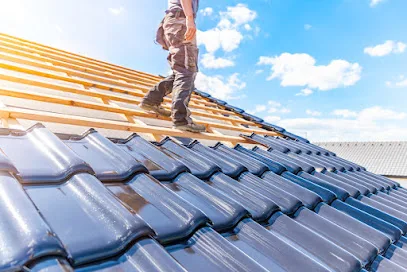
A quality inspection is not limited to photos of missing shingles. It should combine visual checks with a methodical review of likely leak paths and roof-age indicators. Expect a contractor to discuss areas where Queens roofs commonly show early deterioration, such as valleys, eaves, roof penetrations, and transitions around chimneys, vents, or skylights.
Homeowners should also be ready to ask for documented findings: what was observed, what is causing the problem, and what components will be replaced. If the roof has blistering, widespread granule loss, or multiple flashing failures, the inspection should explain whether repairs can solve the issue or whether replacement is the more durable option.
Repair vs. Replacement: How Contractors Should Explain the Difference
Not every leak requires full replacement, but a contractor should justify the decision using evidence. A strong contractor will compare the roof’s current condition to the proposed solution, including whether partial repairs would leave remaining weak areas untouched. In Queens, where roofs can experience repeated wind-driven rain and storm impacts, leaving aging underlayment or deteriorated flashing behind can lead to recurring problems.
During the proposal stage, homeowners should look for scope clarity: which layers will be removed, whether sheathing is inspected for damage, and how the contractor plans to rebuild the roof layers so the system performs as a whole. If storm damage is involved, a contractor should also explain how documentation supports insurance review.
Materials and Roofing Systems: What to Verify on the Proposal
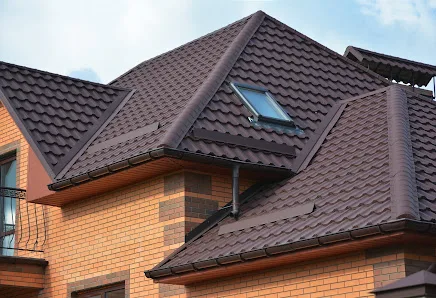
Roofing performance is a system, not just a shingle choice. Ask what shingle type is being installed (and what performance features are being targeted), what underlayment will be used, and how the contractor handles flashing at the problem areas. If the home has existing roof penetrations, the plan should include how boots, seals, and surrounding components are addressed to prevent future leakage.
In Queens weather, attention to details like step flashing, drip edge, and proper sealing around vents can determine whether a roof holds up during repeated storm cycles. Homeowners should verify that the proposal reflects those details rather than using generic descriptions.
Storm Damage Readiness: Documentation and Emergency Tarping
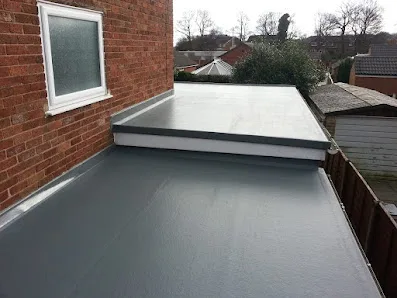
Queens homeowners dealing with storm damage need fast containment and accurate documentation. A contractor that provides emergency tarp support limit water intrusion while repairs are scheduled. Just as important, they should be able to document the roof condition in a way that supports insurance review.
Look for a contractor who can explain what they will capture for records: the visible damage, surrounding roof system components, and the likely leak pathway. If the situation involves active leaks, the plan should prioritize containment first and then move into repair or replacement based on the roof’s overall condition.
Warranty and Workmanship Expectations
Warranty language can be confusing, so the right contractor should explain what is covered, what conditions apply, and how the homeowner can request service if an issue appears later. A workmanship warranty is a key part of the overall risk reduction. Homeowners should also ask whether manufacturer coverage is available for the materials installed and what documentation is kept for future reference.
Before work begins, confirm the warranty timeline and how it’s delivered. When a contractor can clearly connect warranty coverage to the installation steps they follow, it becomes easier to trust that the roof was built to last.
What to Bring When You Meet the Contractor
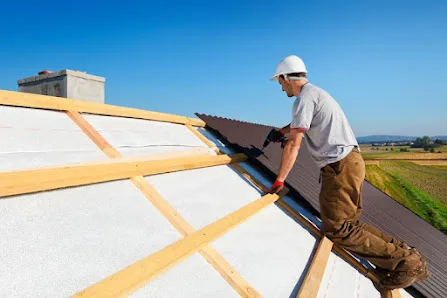
To make the appointment productive, homeowners can prepare a short set of materials. Bring any photos of the damage from the day it appeared, notes about when leaks started, and any past repair receipts. If there was a specific storm event, note the approximate date and whether interior ceilings showed water staining afterward.
During the visit, a contractor should walk through the findings and explain the recommended scope in plain language. If the plan is repair-focused, the contractor should explain why the remaining roof is expected to perform. If replacement is recommended, they should explain why partial fixes would not be durable.
Queens Takeaway: Choose Clarity, System Thinking, and Documentation
Queens roofing challenges are seasonal and often storm-driven. The safest way to choose a roofing contractor is to prioritize inspection quality, scope clarity, and warranty transparency. A contractor that can connect the visible roof symptoms to the underlying system problem—and back it up with documentation—helps homeowners protect both the roof and the property inside.
For homeowners evaluating roof repairs or replacements in Queens, the practical standard is simple: verify materials and flashing details, confirm the workmanship and warranty terms, and ensure emergency tarp support and insurance-claim documentation are part of the plan when storm damage occurs.