
Why Commercial Roof Planning Matters in Buffalo
Buffalo businesses rely on roofs that can handle long winters, wind exposure, and freeze-thaw cycles. Commercial and industrial roofing systems are also expected to stay watertight while protecting HVAC, electrical runs, and interior ceilings. A good roofing contractor will treat the roof as an active building system—coordinating inspections, documenting problem areas, and matching the repair or replacement approach to the roof type and condition.
What to Expect on a Commercial Roofing Visit
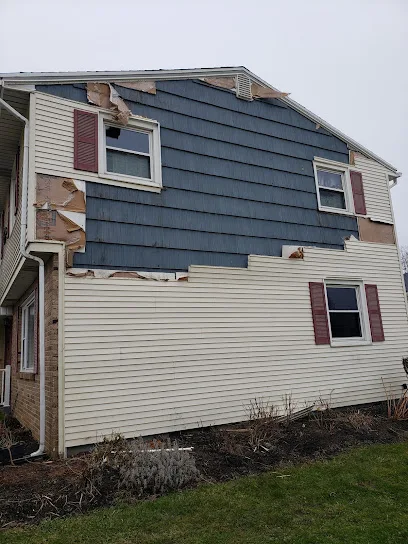
During a site visit, the contractor typically starts with a perimeter walkthrough and then proceeds to an on-roof evaluation. Expect the inspection to focus on roof age, visible distress, drainage patterns, flashing conditions, and the condition of seams and fasteners. For flat or low-slope roofs, installers often check for ponding areas and membrane edge integrity; for steeper systems, they prioritize underlayment, flashing at transitions, and the condition of penetrations such as vents and pipe boots.
A strong visit includes clear documentation: photos, a written assessment of what is failing, and recommendations with a realistic scope (repairs, coating, or full replacement). If storm-related damage is suspected, the team should also help organize details that support insurance claims.
Common Roof Types Naples Roofing Handles for Businesses
Commercial roofing projects can involve different materials depending on the existing system and the building’s needs. Many business owners evaluate asphalt shingle upgrades for certain structures, while larger facilities often use flat-roof systems and durable coatings extend service life. The most important step is matching the solution to the roof deck, insulation, flashing details, and local weather demands.
Roof coatings, in particular, are frequently considered when the roof has remaining life but needs improved water shedding and surface protection. Coatings typically require proper surface preparation and compatibility with the existing roofing material to avoid premature adhesion failure.
How to Identify Early Warning Signs Before They Become Leaks
Waiting for a visible interior leak can be expensive. Business owners can reduce disruption by watching for maintenance indicators during routine building checks. During roof inspections, crews often look for:
- Dark streaking or localized discoloration that may suggest moisture pathways
- Damaged or lifted flashing around chimneys, curbs, and roof penetrations
- Loose edges or failing seam areas where water can migrate underneath
- Pooling water or drainage issues on low-slope roofs
- Blistering, cracking, or surface wear that reduces protective performance
Coatings vs. Replacement: Choosing the Right Scope
Coatings and replacement both aim to restore roof performance, but they apply to different conditions. Coating work is usually most effective when the roof membrane is still structurally sound and the primary concerns are surface wear, minor weathering, and water-shedding performance. If the roof has widespread failure—such as multiple problem areas, significant deterioration, or compromised flashing—replacement may be the safer long-term option.
A practical contractor recommendation should explain why a coating is suitable (or not) by describing the condition of seams, penetrations, and key stress points. For many businesses, the best outcome is a clear, step-by-step scope that minimizes downtime and protects interior spaces.
Insurance-Claim Assistance for Storm-Damaged Roofs
Storm events can create both obvious and hidden roofing damage. If a hail, wind, or heavy rain event is involved, the roof may show localized deterioration that only becomes apparent during an on-site inspection. Naples Roofing commercial and industrial roofing assessments that can support the documentation needed for an insurance claim—helping property managers organize damage details so repairs can move forward efficiently.
Business owners can speed up the process by maintaining records: dates of storms, interior photos of affected areas, and any maintenance logs. A contractor visit should connect the observed roof damage to the reported event so the scope reflects what is actually failing.
Scheduling, Safety, and Minimizing Disruption
Commercial roof work affects operations—access routes, staging areas, and sometimes scheduling constraints for tenants or production. A professional roofing team will coordinate timing around business hours and make safety a priority, particularly when working near HVAC units, access ladders, and occupied facilities. Expect crew plans that address roof access points, fall protection procedures, and protection of landscaping and building entrances.
For businesses preparing for a project window, a helpful approach is to review building access, identify roof-traffic routes, and ensure the facility contact can answer questions during installation.
Questions to Ask Before Hiring a Commercial Roofing Contractor
When evaluating a commercial roofing contractor in Buffalo, NY, business owners should ask questions that reveal workmanship quality and long-term accountability:
- What roof type and system details will be repaired or replaced, and what remains untouched?
- How will the team protect HVAC and sensitive roof-mounted equipment during work?
- What is the process for documenting findings and damage before scope approval?
- What workmanship warranty coverage applies to the project?
- If a coating is proposed, how will surface preparation and product compatibility be verified?
- How is emergency tarping handled if weather changes before completion?
Next Steps After the Roof Visit
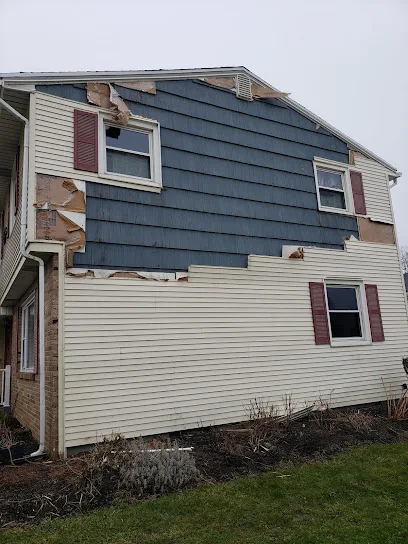
After the inspection, the contractor should provide a written assessment with clear scope and recommended options. For businesses considering repairs, the best proposals separate “urgent” items from long-term maintenance. For replacement projects, the proposal should clarify system components—from underlayment and flashing details to insulation considerations—so the final roof matches the building’s weather exposure.
Buffalo roofs endure tough seasons. With a thorough inspection, documented recommendations, and workmanship-backed execution, businesses can protect their interior spaces and keep their roof system performing year after year.