
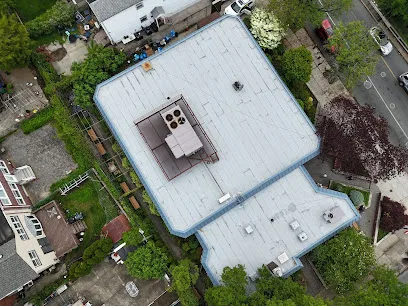
Why a Queens roof inspection starts in the attic
In Queens, strong summer heat, humid shoulder seasons, and winter melt-and-freeze cycles can all stress the building envelope. A roof system is more than shingles or membrane; the attic environment controls how quickly wood decking dries, whether insulation stays effective, and whether moisture finds gaps that lead to rot or mold. A practical inspection plan treats ventilation, air sealing, and insulation as the foundation for long-term roof performance.
Power Roofer Queens’ approach is to review airflow paths and roof assembly components while homeowners can still address problems before they become expensive interior repairs. That means looking beyond visible leaks and checking the conditions that make leaks more likely.
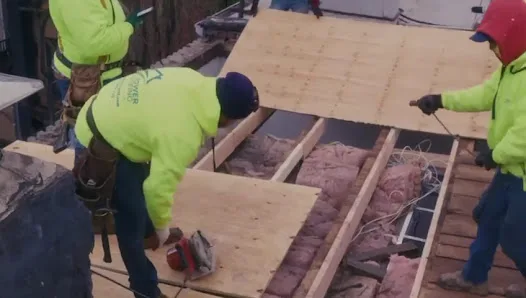
What the team typically checks during a walkthrough
A thorough roof-and-attic visit usually covers three areas: the roof surface, the underlayment and flashing details, and the attic’s ventilation and moisture indicators. Even if the roof looks intact, blocked soffit vents, undersized exhaust, or missing baffles can reduce ventilation effectiveness and trap humidity.
During the walkthrough, Power Roofer Queens common failure points seen in Queens homes:
- Ventilation balance between intake (soffit or eave vents) and exhaust (ridge or roof vents).
- Air leakage at the attic boundary, where uncontrolled airflow can move moisture into the roof assembly.
- Insulation condition, including coverage and whether insulation is preventing proper airflow channels.
- Moisture indicators such as damp sheathing, staining, or mineral deposits around vent locations.
- Flashing and penetration seals around roof vents, chimneys, and other roof penetrations.
This on-site checklist helps homeowners understand whether roof surface repairs are enough or whether ventilation and airflow corrections are required to protect the underlying materials.
Ventilation basics: how airflow prevents costly damage
Most attic problems in hot-humid climates tie back to ventilation and airflow management. Proper ventilation allows hot, humid air to escape while drawing cooler, drier air in at the intake level. When the system is unbalanced or blocked, humidity rises, roof deck surfaces stay damp longer, and insulation loses efficiency.
In practical terms, a well-functioning attic ventilation strategy includes:
- Intake vents that pull air from outside into the soffit/eave area.
- Exhaust vents that remove air near the highest point, commonly through ridge vents or gable/roof-mounted vents.
- Baffles that keep insulation from blocking airflow.
Power Roofer Queens emphasizes correcting the airflow path rather than simply adding vents. Homeowners in Queens typically see better results when the contractor addresses both intake and exhaust, plus the baffles that maintain the channel.
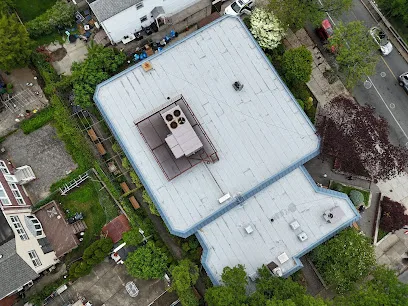
Common signs of ventilation problems homeowners can spot
Homeowners usually notice symptoms before they understand the cause. If ventilation is failing, the following red flags often show up seasonally:
- Higher cooling costs during summer because attic heat isn’t escaping efficiently.
- Condensation or damp insulation that appears after humid weather.
- Musty odors suggesting moisture is lingering in the attic.
- Staining or discoloration on roof sheathing near vents or plumbing penetrations.
- Ice dam risk during winter when heat loss patterns and airflow imbalance cause snowmelt to refreeze at the eaves.
Even when a homeowner sees one symptom—like a spot leak—Power Roofer Queens typically looks for the ventilation and sealing conditions that can keep the problem from returning.
Roofing materials and what the contractor can support
Queens roof issues rarely fit a single category. The roof surface may require repair, replacement, or targeted flashing work, while the attic may need ventilation and air-sealing improvements. Power Roofer Queens supports roofing services designed for both residential and commercial needs, with practical solutions that align with common roof system requirements.
During planning, the contractor matches the recommended work to the existing assembly, roof type, and the homeowner’s goals—whether the priority is stopping leaks, extending service life, or improving comfort and moisture control.
Because ventilation and airflow are part of roof performance, projects frequently include both roof surface attention and attic-level corrections. That combination reduce repeat issues tied to trapped humidity.
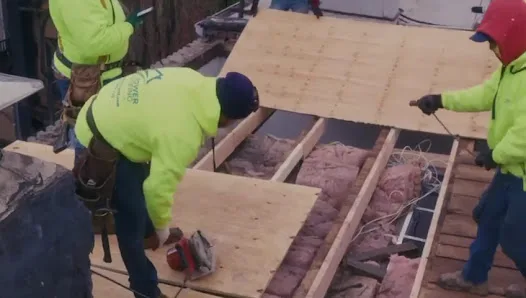
Warranty expectations and inspection documentation
Before any work begins, homeowners benefit from clear documentation of what was found and what will be addressed. Power Roofer Queens typically helps customers understand the scope of repairs, including the building-envelope items that affect how the roof performs during heat, humidity, and winter weather.
For long-term, ask for details on workmanship coverage and how warranty terms apply to the corrected components. In roof projects that involve ventilation improvements, the warranty conversation should extend beyond materials and include the installation approach—because airflow paths and baffles must be installed correctly to function as intended.
For homeowners preparing for insurance claims, the inspection visit can also provide the kind of on-site context needed to support accurate reporting of storm-related conditions.
Quick pre-visit checklist for Queens homeowners
If a visit is coming up, homeowners can speed up the inspection and improve the quality of recommendations with a few simple steps:
- Note the timing of any leaks, odors, or condensation—seasonality helps pinpoint ventilation or flashing patterns.
- Check attic access for obvious ventilation blocks, insulation crowding, or visible damp areas.
- Gather prior photos of roof conditions during past seasons.
- List recent weather events that may have preceded damage.
- Ask about airflow fixes if the attic shows moisture or if cooling costs spike.
This guide isn’t a substitute for an on-site inspection, but it helps homeowners arrive with practical questions. Power Roofer Queens’ goal is to provide advice grounded in what the attic and roof assembly are actually doing in Queens’ climate.