
Why a post-winter roof visit matters in Canarsie, Brooklyn
In Canarsie and the broader Brooklyn area, winter exposure can create roof problems that are easy to miss from the ground. Ice and snow can back up under shingles or along roof edges, while freeze-thaw cycles widen small cracks and lift weak spots in older roofing systems. Wind-driven snow and heavy rain follow in the shoulder seasons, increasing the odds of leaks developing in places that look intact on a casual walkthrough. A structured post-winter inspection helps identify these early warning signs so repairs can be planned before water intrusion becomes a larger—and more expensive—project.
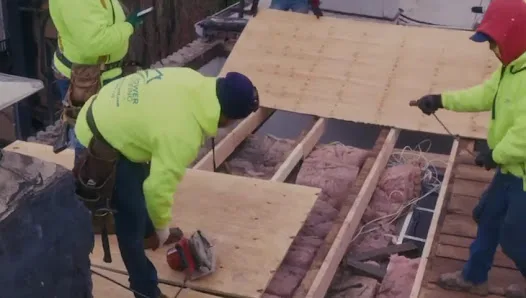
What Power Roofing checks during a practical inspection
Power Roofing approaches roof visits as a condition-and-risk assessment, not just a quick look. Inspectors typically focus on areas where water and wind pressure do the most work: roof valleys, flashing transitions around chimneys and vents, skylight boundaries, pipe boots, step flashing along walls, and the condition of the shingle or membrane surface. For flat and low-slope sections, the inspection also targets ponding-prone areas and the integrity of roof drainage paths.
When damage is suspected, the goal is to confirm whether it is superficial wear or a roof-system failure that could lead to leaks. That distinction matters for both repair scope and insurance discussions. Photos and measurements help document findings so property owners can review options with a clear understanding of what needs attention now versus what can be monitored.
Common signs homeowners should ask about after ice, wind, and thaw
If a roof was exposed to ice dams, heavy snow, or strong winter winds, there are several visible indicators to discuss with an inspector:
- Granule loss or bare spots on asphalt shingles, especially near ridges and edges.
- Cracked caulk or failed sealant at vents, penetrations, and around skylights.
- Damaged or lifted flashing at transitions where different roof materials meet.
- Water staining in attics, ceilings, or near exterior wall lines.
- Condition changes after storms—new wrinkles, soft spots, or lifting layers.
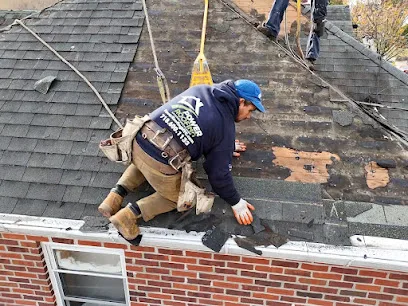
How this guide supports insurance-claim documentation
Many roof repairs in Brooklyn involve insurance evaluation, and documentation can make the process smoother. Power Roofing helps property owners by assessing damage patterns consistent with storm exposure and providing a detailed report of observed conditions. For claims, that usually means capturing clear photos of the roof surface, highlighting affected areas, and noting the location of roof penetrations, flashing systems, and any visible failure points.
Property owners can also prepare by collecting relevant dates (when storms occurred), interior observations (leak timing and locations), and any prior repair records. The combined information supports a more accurate conversation about repair versus replacement and helps contractors and insurance adjusters stay aligned on what the roof is telling them.
Roof repair planning: what “right-sized” usually means
A high-quality post-winter visit leads to a practical repair plan. When issues are limited to a flashing detail, sealant failure, or localized shingle damage, targeted repairs can extend the service life of the existing roof system. When damage affects multiple sections, drainage pathways, or widespread aging indicators, replacement may be the better long-term approach. For commercial and mixed-use buildings, the inspection also considers business disruption, access constraints, and scheduling tradeoffs.
Power Roofing’s job is to explain the options in plain terms: what can be fixed first, what to monitor, and what would likely become a larger problem if left unaddressed. This approach helps homeowners and property managers make decisions based on risk and budget—rather than guesswork.
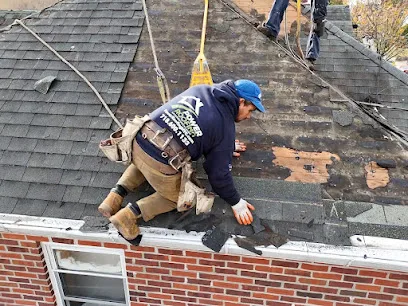
Emergency tarp and weather timing in Brooklyn
In New York, storms do not always wait for convenient schedules. If active leaks or storm-related damage are present, temporary protection can reduce interior water exposure while repairs are arranged. Power Roofing is available for emergency tarp service when the situation calls for immediate stabilization. Timing can be critical: once leaks start, water can travel farther than the first visible drip point, affecting insulation and interior finishes.
For homeowners planning ahead, scheduling a post-winter inspection during the safer spring window can prevent rushed decisions later in the year. A calm, documented assessment usually leads to more accurate estimates, cleaner scheduling, and better alignment between repair needs and roof-system realities.
Where to start before the next rainy week
A practical next step is to schedule a roof inspection after winter exposure and share any interior leak history. Ask the inspector to review roof edges, flashing details, penetrations, and skylight areas, then request a written summary of findings and recommended repairs. With a clear record of what was found and where, homeowners in Canarsie can move into spring with better protection and fewer surprises.
Power Roofing services Canarsie and the wider Brooklyn area from 599 E 84th St in Brooklyn, NY. Phone support is available at (929) 300-0137.