
What to expect when contacting C&D Brooklyn Roofers
For commercial buildings in Brooklyn, roofing decisions often start with a practical evaluation: visible damage, roof surface condition, drainage performance, and the surrounding details that control water entry. C&D Brooklyn Roofers approaches first contact by clarifying the property type and the symptoms observed, then moving into an on-site review of the roof system and penetrations. A helpful next step for property owners is to gather basic roof information beforehand—roof age, previous repairs, any recent weather events, and photos of problem areas. That preparation helps the team focus on likely failure points and reduces the time spent on avoidable back-and-forth.
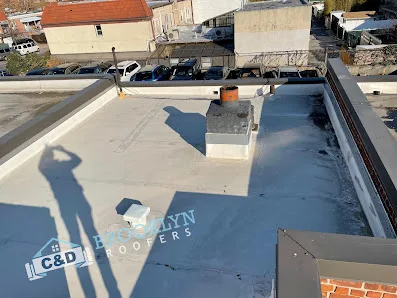
Inspection checklist: items that usually matter most on flat roofs
Flat roofs are sensitive to ponding water, membrane seams, and details around drains, curbs, and roof penetrations. During an inspection, the goal is to connect what is visible to what is likely causing the problem. Common checks include the roof membrane condition, evidence of blistering or cracking, the condition of flashings, and how water flows toward drains or scuppers. The team also looks for signs of recurring leaks—staining on interior ceilings, rust at metal transitions, and deterioration around vents or other penetrations. For owners, the most useful output of an inspection is a clear scope that identifies the affected system components, not just the symptom area.
To streamline the process, property owners can note whether leaks are active during rain, whether there are areas of standing water after storms, and which parts of the building have been historically impacted. Those observations often help the contractor decide what to prioritize in the repair or replacement plan.
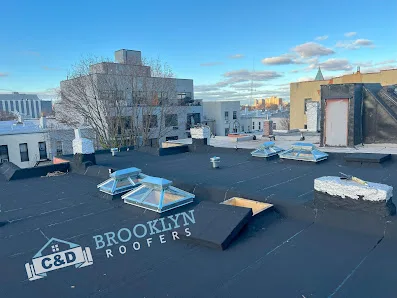
How commercial roof replacement work is commonly planned
When replacement becomes necessary, commercial roof projects usually require more than removing and installing materials. Planning includes reviewing access points, staging equipment safely, protecting building interiors during the transition, and coordinating work around other building operations. C&D Brooklyn Roofers sequencing so that weather exposure stays controlled and roof transitions remain properly detailed. The scope should address both the field of the membrane and the perimeter conditions—because the roof edge and interface details often decide long-term performance.
Property owners should also ask how the contractor will manage existing conditions discovered during tear-off. If the inspection indicates multiple contributing factors—such as compromised insulation, deteriorated flashing, or drainage problems—the replacement scope should explain how those factors are handled rather than leaving them for future troubleshooting.
Materials, underlayment strategy, and long-term performance
Roof systems perform as a complete assembly. For a flat roof, that usually means a coordinated approach to the membrane layer, insulation, vapor control (when required), and the details that connect the roof to metalwork and masonry. A strong project plan includes decisions about where to add or replace components, how seams and laps are treated, and how transitions are flashed to reduce the risk of water intrusion. Property owners should look for documentation describing what parts are included in the roof assembly and why they were selected for the building’s conditions.
If the building has had prior repairs, it is especially important to review how the new installation will tie into older sections. C&D Brooklyn Roofers clarify how the updated system will integrate with existing elements, so owners understand what is being replaced, what is being reinforced, and what is expected to remain stable.
Warranty expectations and what to confirm before work begins
Roof warranties vary based on the manufacturer system and the installation workmanship coverage. A practical way to compare options is to confirm the coverage term in years, what exclusions apply, and what maintenance responsibilities—if any—are required to keep coverage valid. For owners, it is also useful to ask what the contractor’s workmanship warranty includes, how warranty claims are handled if issues appear, and what documentation is provided at project close.
Because flat roofs experience different stress than steep-slope roofs, details around seams, penetrations, and drainage typically matter in warranty conversations. Owners should confirm that these areas are addressed in the written scope and that the project plan explains how the contractor will reduce future leak risk.
Emergency tarp and insurance-claim support for storm-related damage
After storms, water intrusion can accelerate roof deterioration and interior damage. C&D Brooklyn Roofers provides emergency tarp services to help protect affected areas while repairs are organized. For property owners navigating insurance coverage, the contractor can support the claim process by helping document roof conditions and the scope needed for restoration. This is especially important when leaks are active and time-sensitive mitigation decisions must be made.
Quick owner checklist: questions to ask at the first meeting
- What roof system components are affected (membrane, insulation, flashing, drains)?
- What caused the problem based on the inspection findings?
- What is the planned scope for replacement versus repair?
- How will the contractor manage access, staging, and weather protection during the job?
- What warranty term applies to workmanship, and what documentation is provided?
- Is emergency tarp support available if leaks are active before the full project can start?
- How does the team assist with insurance-claim documentation when applicable?
Using this visitor guide as a checklist can make the roof service process more efficient and help property owners align expectations with the final scope. For commercial property owners in Brooklyn, it is the combination of inspection detail, clear replacement planning, and dependable follow-through that determines roof performance over time.