
Why a Roof Visit Matters in Syracuse
Syracuse homes see wide seasonal swings, and roof performance typically shows up after wind events, heavy rain, or freeze-thaw cycles. When a roof is inspected or quoted, the goal is not just to “look at shingles,” but to evaluate the full system: deck condition, underlayment, flashing details, ventilation paths, and how water would move during a storm. Van Derhoof Roofing Co., Inc. approaches visits with an eye toward the roofing package as a whole so homeowners can make practical decisions based on the condition of the structure, not only the visible surface.
During a typical first visit, the team works through visible issues and checks likely trouble areas, including edges, penetrations, and places where moisture can hide. For property owners, this is the moment to confirm scope, timing, and whether the repair or replacement is the safer long-term choice.
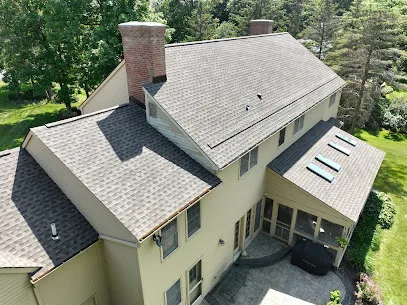
What to Bring (and What to Ask) Before the Estimate
If a storm or leak has triggered the visit, it helps to have basic documentation. Homeowners should be ready to share the date of the event they believe caused the problem, photos taken after the storm, and any prior roof work or maintenance records. These details can speed up diagnosis, especially when symptoms appear days or weeks after the weather event.
Before signing off on a scope, ask questions that connect roofing details to outcomes:
- Which parts of the roof system will be evaluated beyond the shingles (underlayment, flashing, ventilation, and penetrations)?
- What is the difference between repair vs. full replacement for this condition?
- How will the team protect the property if the weather turns (for example, emergency tarping after an opening)?
- What is the expected workmanship warranty period, and what should be kept for warranty documentation?
A well-run visit answers these clearly and ties each line item to a specific part of the roof system.
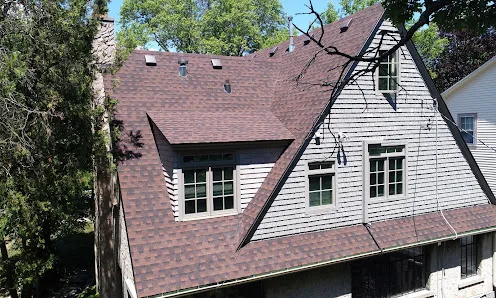
How Van Derhoof Roofing Typically Handles Commercial-Grade Roof Projects
Van Derhoof Roofing Co., Inc. is listed as a commercial roofing contractor serving the Syracuse, NY area. That matters for homeowners who want a crew that is used to system-level planning and documentation: commercial roofs often require tighter coordination around penetrations, edges, and weather protection procedures. Even for a residential property, the same principles apply when evaluating leaks, wind exposure, or aging roofing materials.
From the team’s service details, the most relevant visit outcomes typically include:
- Clear installation and replacement scope (roof installation and roof replacement)
- Identification and repair planning for specific roof components (flat roof and common exterior roof details)
- Assessment of special features that can complicate flashing and water management, such as skylights
The practical takeaway is that a good visit produces a written plan showing what will be addressed, where water intrusion is expected to occur, and how the chosen fix matches the roof’s current condition.
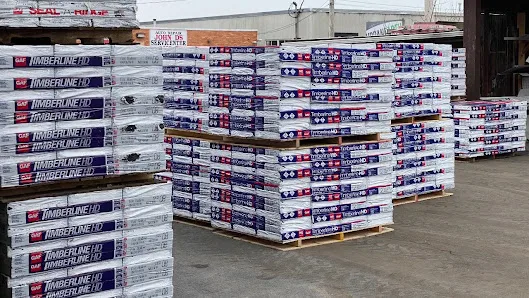
Insurance-Claim Support: What a Roof Visitor Should Expect
When damage follows a storm, homeowners often need more than a price. They need clarity: what the roof is showing now, what it likely showed shortly after the event, and how that ties back to the claim. Van Derhoof Roofing lists insurance claim support as part of typical services, which can be useful during the visit process.
During the visit, it is reasonable to ask how claim support is handled:
- How damage documentation is gathered and organized
- What the contractor’s findings suggest about the likely cause of visible issues
- Whether the scope will reflect necessary system repairs, not only cosmetic surface damage
It is also smart to confirm timelines. If the property cannot wait for full approval before temporary protection, ask about emergency tarping procedures and how quickly they can be scheduled after damage is confirmed.
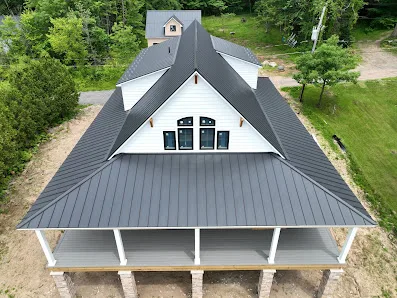
Warranty Reality Check: Workmanship and Long-Term Expectations
After the estimate, warranty terms influence the best decision. For any roof project, homeowners should separate two questions: workmanship warranty coverage and material performance expectations. The roofing visit should address what workmanship warranty covers, how long it lasts, and what documentation is needed if a future issue arises.
When discussing warranty, homeowners can ask:
- Who provides the workmanship warranty and for what duration?
- What conditions can void coverage, if any?
- How warranty requests are submitted and documented later?
Because Syracuse weather can accelerate aging, selecting a contractor that provides a clear warranty position—and explains what the homeowner should keep—reduces confusion years later if repairs become necessary.
Fast Checklist Before the Crew Starts
Before work begins, a short checklist can prevent misunderstandings:
- Confirm the final scope and any contingency items (for example, decking or flashing repairs if hidden damage is found).
- Review the protection plan for your landscaping, driveway areas, and interior if there is a leak path.
- Ask how ventilation and penetrations will be handled to reduce future moisture risk.
- Confirm cleanup and final inspection steps so the job closes with documented results.
Van Derhoof Roofing Co., Inc. serves Syracuse, NY and can be contacted through its official website and phone listing for scheduling and service needs.