
Where Skyward Roofing Works in Brooklyn
Skyward Roofing - Brooklyn serves homeowners in Brooklyn, NY from its address at 643 Ovington Ave. The contractor’s workflow is built around clear site access and fast communication: the first call is used to confirm the roof’s problem symptoms, gather basic property details, and schedule a professional inspection. For visitors comparing roofers, the practical goal is simple—know whether the contractor can document the damage, match the roof system type, and coordinate the next steps with insurance or property managers when needed.
What to Bring Before a Roof Inspection
Before an on-site visit, homeowners can speed up the assessment by having a small “roof packet.” This usually includes the address, approximate roof age, photos of interior staining or active leaks, and any prior repair records. If the damage followed a storm event, noting the date and what changed afterward helps the estimator connect symptoms to likely causes. During the walk-through, Skyward Roofing can explain what they are measuring (surface damage, flashing condition, ventilation performance, and underlayment indicators) and how that information affects the scope of repair or replacement.
Roof Types Commonly Handled by This Contractor
Skyward Roofing’s residential focus means the contractor is equipped to work on typical Brooklyn home roof systems, with installations and repairs tailored to the existing structure and local weather exposure. When homeowners request a replacement, the contractor can guide decisions based on roof pitch, existing decking condition, and the need for proper ventilation and water-shedding details. For weather resilience, it is important that the proposed solution includes not only new shingles or roofing membrane, but also the full system pieces—underlayment, flashing, and drainage pathways.
Insurance-Claim Readiness: How Documentation Fits the Process
Many roofing projects in Brooklyn involve storm-related damage and insurance questions. For an efficient claim-support experience, homeowners should expect an inspection report that explains observed damage, why it matters, and what repairs or replacement components address the issue. Skyward Roofing can assist with claim-related steps by aligning the contractor’s documentation with the property’s visible conditions. Homeowners still make the final decisions, but having clear evidence reduces confusion between adjusters, contractors, and property owners.
What a Quality Workmanship Warranty Should Cover
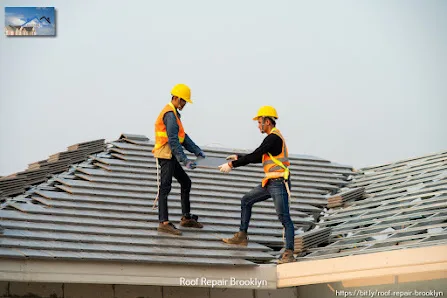
A roof replacement is only as good as its installation details. Homeowners comparing contractors can ask what workmanship coverage looks like—how long it runs, what is included (for example, installation defects), and what conditions must be met to keep the warranty valid. Skyward Roofing’s residential roofing work is positioned around workmanship accountability, and the practical next step for visitors is to request warranty terms in writing before work begins. That way, expectations are clear for materials, labor, and any follow-up if problems surface after the project is completed.
Storm Timing Signals Homeowners Should Not Ignore
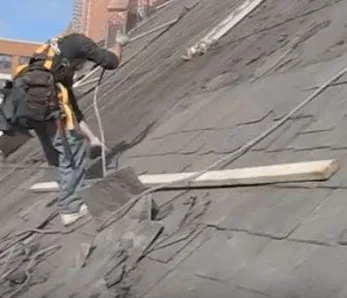
In Brooklyn, heavy rain, wind, and freeze-thaw conditions can reveal roof weaknesses quickly—especially around penetrations like vents, plumbing stacks, and chimney flashing. After a storm, homeowners should watch for dark streaking, lifted or missing shingles, granule loss concentrated in one area, and signs of interior moisture. Early action matters: small leaks can turn into deck damage that increases repair costs. If water intrusion is suspected, emergency tarping is often the immediate protective measure while a full inspection determines the permanent fix.
How to Evaluate Skyward Roofing for Your Own Project
When deciding on a roofing contractor, a helpful visitor checklist is to confirm the project steps: inspection, documentation, material selection, scheduling, and quality control closeout. Homeowners should also verify that the proposal reflects the right roof system scope—flashing, ventilation, underlayment, and edge details—rather than focusing only on surface materials. For a Brooklyn homeowner, the most practical outcome is confidence: that the contractor has inspected the roof, explained what was found, and offered a repair or replacement plan that fits the property’s conditions.
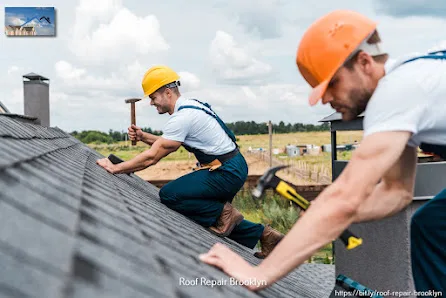
For questions about roofing repairs, replacement timelines, or claim-support documentation, homeowners can review the contractor’s official site and contact options for scheduling an inspection in Brooklyn.